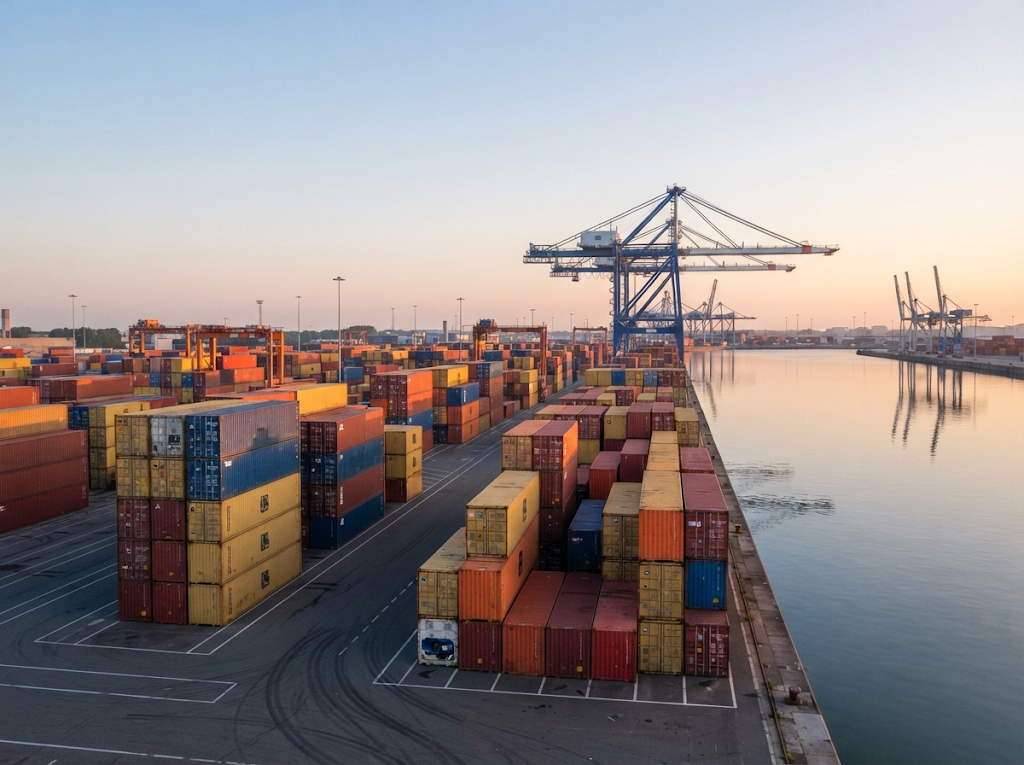
Indonesia is a large trading nation, and every shipment that crosses its borders comes with a pile of papers. Invoices, packing lists, certificates of origin and customs forms must be read by officers, freight agents and buyers who may work in either Indonesian or English. A trade document that says one thing in English and a slightly different thing in Indonesian can hold a container at the port for days, and every day costs storage fees and trust. This guide explains how to prepare export and import papers for Indonesian English translation.
The documents behind a shipment
A typical shipment includes a commercial invoice, a packing list, a bill of lading, an insurance certificate and a certificate of origin. Some goods need extra permits, such as health, quality or safety certificates. List all documents for each order, and note which ones the authorities require in Indonesian.
Why exact wording matters
Customs officers compare the description of goods, the quantity, the value and the code on each paper. If one document uses a different name or number than another, the officer may stop the shipment to ask questions. The translator must keep every item identical across the full set.
Product descriptions and tariff codes
Goods are classified by international codes, and the description in words must match the code. A vague or creative description can lead to a wrong classification and a wrong duty. Ask the translator to use the standard terms from the tariff schedule and to keep a glossary of your products.
Numbers, units and currencies
Weights, volumes and prices must be exact, and Indonesian uses a period for thousands and a comma for decimals. A small slip in a figure can change the declared value by a thousand times. Check every number after translation, and keep the currency code next to each amount.
Contracts with buyers and suppliers
Sales agreements set out prices, delivery terms, payment dates and what happens in a dispute. A provider who works with indonesian english business texts should understand trade terms and keep them consistent with the standard definitions. Ask a lawyer to review the final version before signing.
Letters of credit and bank papers
Banks check trade documents against the letter of credit word by word, and small differences can lead to refusal of payment. Keep spelling, dates and names identical across all papers. Plan extra time for the review, since there is little room for later correction.
Bills of lading and transport papers
Transport documents name the shipper, the consignee, the ports and the goods. Names and addresses must follow the form used in the other papers, even when they look unusual. The translator should never correct a name or shorten an address without approval.
Certificates and inspection reports
Quality certificates, lab reports and inspection records use technical terms that need a specialist. Do not use a general translator for these papers. Provide the standards and test methods mentioned in the file, so the translator can find the right terms.
Learning from another language pair
Trade teams that handle many languages benefit from a shared process for terms, review and delivery. Our English to Romanian translation guide shows how a business can organize files and glossaries for a new market. Apply the same habits to your Indonesian projects.
Product manuals and labels
Goods that enter the market often need an Indonesian manual and label. Check the local rules for the product type, and plan translation before printing. A rejected label can delay a whole shipment.
Common mistakes to avoid
One common mistake is to translate each document at a different time with a different person, which leads to varied terms. Another is to send an old invoice as a template for a new order and forget to update the description. Use one provider for the full set, and keep a master glossary of product names, parties and addresses.
Sharing background with the translator
Tell the translator the type of goods, the route and the parties involved. Share earlier approved documents, so that names and terms stay identical. This background reduces questions and prevents errors in the final set.
Deadlines and shipping schedules
Ships and flights leave on fixed dates, and documents must be ready before departure. Plan translation days into the schedule, and ask for rush delivery only when it is truly needed. Keep a few hours in reserve for corrections.
Confidentiality in trade
Prices, suppliers and customer lists are valuable business secrets. Use a provider that signs a confidentiality agreement and handles files securely. Share only the papers that are needed for the shipment.
Working with freight agents and brokers
Freight agents and customs brokers read your documents every day and know which wording the port accepts. Send them the translated drafts before the goods leave, and ask for written comments. Their feedback can prevent costly holds at the border and help you build a template that works every time.
Keeping records after delivery
Trade papers may be requested for audits, tax checks or disputes long after the goods arrive. Store the originals and the translations together, with clear names and dates. A well organized archive saves hours when an officer or a partner asks for proof of an old order.
Where to read more
For background on the main transport document in sea trade, see the bill of lading article on Wikipedia. It explains the three functions of the document.